If you live in the Charlotte metro area, you know how quickly severe thunderstorms can roll through. Hail is common in North Carolina, especially in the spring and summer months.
After a storm, many homeowners ask:
Let’s walk through each of these clearly and factually.
Hail damage is impact damage caused when hailstones strike roofing materials with enough force to alter their structure.
According to the National Oceanic and Atmospheric Administration (NOAA), hailstones can range from pea-sized to several inches in diameter and fall at high speeds depending on storm intensity.
When hail strikes a roof, it can:
True hail damage is physical impact damage — not simply surface discoloration or debris.
Yes. Hail can damage roofing materials depending on several measurable factors:
The Insurance Institute for Business & Home Safety (IBHS) conducts laboratory testing on roofing systems and confirms that hail can fracture shingles and compromise roof performance when impact energy exceeds the material’s resistance.
Asphalt shingles are especially vulnerable when:
Damage may not cause immediate leaks, but it can shorten the service life of the roofing system.
Whether hail dents can be “popped out” depends on the roofing material.
Metal Roofing
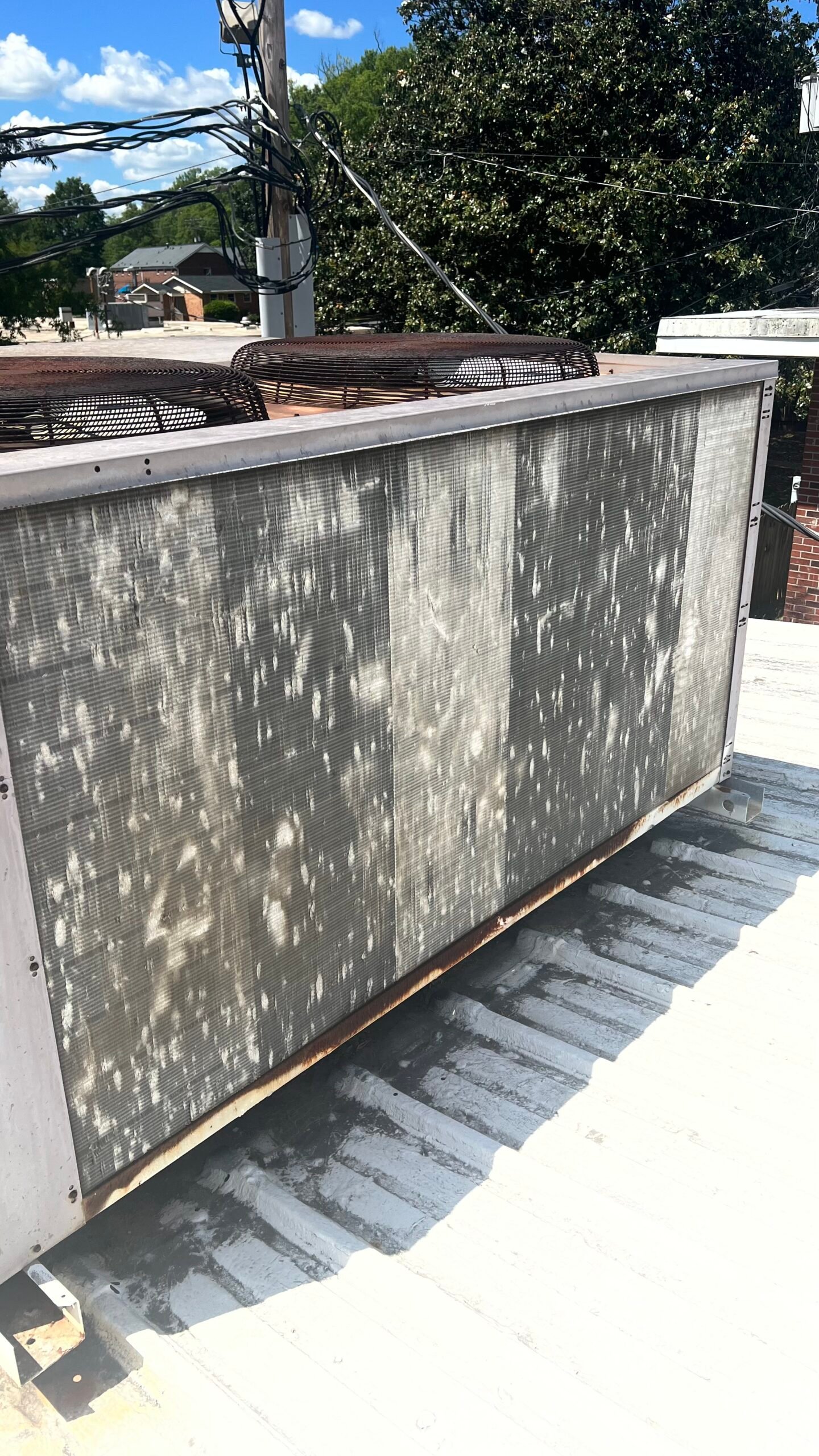
Metal roof panels can dent during hailstorms. However:
There is no industry-approved method to safely “pop out” hail dents without risking distortion or seam damage. In most cases, dented panels are replaced rather than repaired.
Asphalt Shingles
Asphalt shingles cannot be repaired once bruised or fractured.
The National Roofing Contractors Association (NRCA) explains that when the internal reinforcing mat of a shingle is fractured, that structural damage cannot be reversed.
Shingles do not spring back. Impact damage is permanent.
There is no universal number that automatically triggers replacement.
Roofing professionals evaluate hail damage using systematic inspection methods, often examining defined test areas (commonly 10 ft x 10 ft sections) to determine impact density and distribution.
Replacement is typically considered when:
The key distinction is between functional damage and cosmetic marks.
Functional damage affects performance. Cosmetic damage affects appearance only.
The seriousness of hail damage depends on the severity and the condition of the roof.
InterNACHI roofing inspection standards identify hail damage as potentially serious when:
When granules are removed, UV exposure accelerates aging. In Charlotte’s hot climate, this process can increase deterioration over time.
Even moderate hail damage can reduce the long-term durability of the roofing system.
The Charlotte metro region experiences:
Asphalt shingles naturally become more brittle with age due to prolonged heat and UV exposure. Research from IBHS confirms that aging materials are more susceptible to impact damage compared to new, flexible materials.
This is why two homes in the same neighborhood may experience different levels of hail damage depending on roof age and condition.
A thorough hail damage roof inspection in Charlotte should include:
Professional inspections rely on measurable impact patterns — not assumptions.
What is the meaning of hail damage?
Hail damage is impact damage caused when hailstones strike roofing materials and alter their structural condition.
Does hail actually damage roofs?
Yes. Laboratory and field testing confirm that hail can fracture shingles, dent metal, and reduce roofing system performance when impact energy is sufficient.
Can hail dents be popped out?
Metal roof dents generally cannot be safely reversed without panel replacement. Asphalt shingle damage cannot be repaired once the internal structure is fractured.
How bad does hail damage have to be to replace a roof?
Replacement is typically considered when damage is widespread and affects the structural integrity of the roofing system rather than isolated cosmetic marks.
How serious is hail damage on a roof?
Serious hail damage compromises protective layers, accelerates aging, and can reduce the roof’s lifespan if left unaddressed.
Hail damage is a measurable form of impact damage. However, not every storm results in serious structural harm.
Understanding the difference between cosmetic marks and functional damage is critical.
If your home in Charlotte, Fort Mill, Waxhaw, Ballantyne, Lake Norman, or surrounding areas experienced recent hail, the responsible next step is a professional evaluation.
An Exclusive Roof Inspection can determine:
Making informed decisions protects the long-term performance of your roof.
National Oceanic and Atmospheric Administration (NOAA) – National Severe Storms Laboratory. (n.d.). Hail: Science and storm structure. Retrieved March 27, 2026, from
https://www.nssl.noaa.gov/education/svrwx101/hail/
Insurance Institute for Business & Home Safety (IBHS). (n.d.). Hail impact and roofing system performance research.Retrieved March 27, 2026, from
https://ibhs.org/research-center/research-by-peril/hail/
National Roofing Contractors Association (NRCA). (n.d.). Roofing inspection and damage assessment guidance.Retrieved March 27, 2026, from
https://www.nrca.net
InterNACHI (International Association of Certified Home Inspectors). (n.d.). Asphalt shingle hail damage identification standards. Retrieved March 27, 2026, from
https://www.nachi.org/asphalt-comp-shingles-part48-102.htm
Progressive Insurance. (n.d.). Does homeowners insurance cover hail damage? Retrieved March 27, 2026, from
https://www.progressive.com/answers/hail-damage-home-insurance/
Progressive Insurance. (n.d.). Does homeowners insurance cover roof damage? Retrieved March 27, 2026, from
https://www.progressive.com/answers/does-home-insurance-cover-roof-damage/